Building your own DIY solar generator build is one of the most rewarding and cost-effective ways to achieve energy independence and self-sufficiency. Whether you’re looking to power essential appliances during grid outages, reduce your utility bills, or establish a reliable backup power system for your homestead, this comprehensive guide walks you through everything you need to know. From selecting the right solar panels and batteries to assembling a fully functional system, we’ll cover the complete parts list, step-by-step instructions, and critical safety considerations that ensure reliability.

What Is a DIY Solar Generator and Why Build One?
A DIY solar generator build combines solar panels, a battery bank, a charge controller, and an inverter to capture, store, and distribute solar energy independently. Unlike grid-tied systems that feed excess power back to utilities, a DIY solar generator operates autonomously, making it perfect for off-grid living, emergency backup power, or supplementing your home’s baseline energy needs with clean renewable power.
The core components work together in harmony:
- Solar panels: Convert sunlight directly into DC electricity through the photovoltaic effect
- Charge controller: Regulates power flow to batteries and prevents dangerous overcharging conditions
- Battery bank: Stores energy for use when the sun isn’t shining or during peak consumption periods
- Inverter: Converts stored DC power to standard AC power for household appliances and devices
- Wiring, breakers, and disconnects: Safety components that enable system isolation and proper distribution
The primary advantage of building your own system is complete customization—you choose capacity, components, brand preferences, and expandability based on your specific needs, budget constraints, and long-term energy goals. You also learn your system intimately, enabling confident maintenance and troubleshooting.
Complete Parts List Overview for DIY Solar Generators
Before diving into detailed component selection, here’s the complete shopping list for a functional DIY solar generator build system:
- Solar panels (400W-800W recommended for beginners to start)
- Charge controller (MPPT type preferred over PWM for efficiency)
- Battery bank (LiFePO4 recommended over lead-acid for longevity)
- Inverter rated 3000W continuous minimum for household use
- Wiring, connectors, breakers, and safety disconnects throughout
- Mounting hardware, racking, and installation materials
- Essential tools (wire crimper, multimeter, wire strippers, torque wrench)
- Monitoring and optimization accessories (optional but recommended)
The total cost for a beginner-friendly system capable of powering essential appliances ranges from $4,000 to $8,000 depending on capacity, component quality, and whether you’re using all-in-one solutions or building from individual components. Premium systems with higher capacity can exceed $15,000, but even basic systems provide dramatic energy independence and backup resilience.
Choosing the Right Solar Panels for Your System
Solar panels are the heart of your system and directly determine how much power you can generate daily. The 👉 Check Price on Amazon is perfect for beginners—it includes everything necessary to start: two high-efficiency 200W panels, complete mounting hardware, pre-sized wiring, and an integrated charge controller. This all-in-one approach eliminates compatibility confusion and gets you generating power immediately without component selection paralysis.
If you’re building incrementally and want maximum flexibility, the 👉 Check Price on Amazon offers superior modularity—purchase two panels for 400W total output, then stack additional panels later as your needs grow without replacing existing equipment. Monocrystalline technology provides superior efficiency and durability compared to polycrystalline alternatives, justifying the modest price premium.
For portable applications, RV power, or testing systems before permanent installation, the 👉 Check Price on Amazon delivers 200W in a convenient foldable form factor—perfect for experimentation and validation before committing to a permanent roof installation.
Panel selection considerations: Match voltage to your system design (48V systems require panels configured appropriately), verify temperature coefficients for your climate zone, and ensure panels are rated for your region’s weather extremes.
Battery Selection: The Energy Storage Foundation
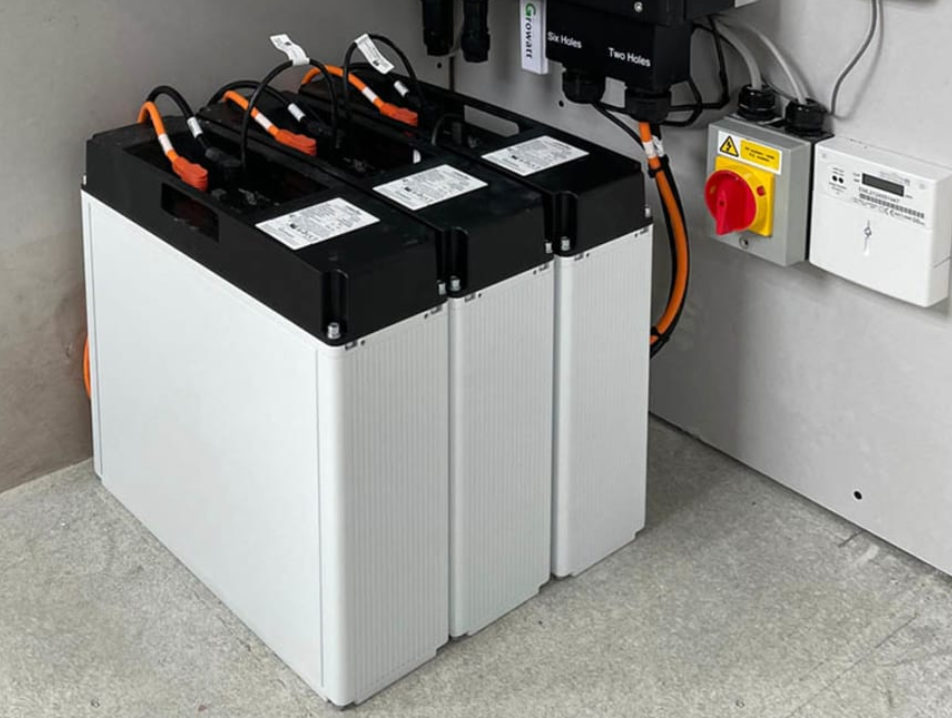
Your battery bank determines how much energy you can store and how reliably your system operates when sun isn’t available. Lithium iron phosphate (LiFePO4) batteries have revolutionized off-grid solar systems—they’re significantly safer, longer-lasting, and more efficient than traditional lead-acid technology despite higher upfront costs.
The 👉 Check Price on Amazon is the industry standard for serious DIY systems. At 48V/100Ah capacity, it provides 4.8kWh of usable storage—enough to power most homes comfortably through the night or multiple cloudy days. LiFePO4 chemistry ensures 5,000+ charge cycles (equaling 15+ years of daily cycling), making it the best long-term investment despite premium pricing.
The 48V architecture is crucial for system design—it reduces current flow compared to 24V or 12V systems, meaning you need thinner, cheaper wiring while maintaining safety margins. Never mix battery chemistries, voltages, or amp-hour ratings in a single system—incompatibility causes charging problems and reduces lifespan dramatically.
Battery placement and cooling: Install batteries in a cool, well-ventilated area away from direct sunlight. Temperature extremes reduce lifespan and efficiency. Proper ventilation prevents hydrogen gas accumulation if using lead-acid batteries.
Sizing and Selecting Your Inverter Correctly
The inverter converts stored DC power to AC power that runs standard household appliances and devices. Sizing correctly prevents frustrating brownouts and equipment damage from voltage sag.
The 👉 Check Price on Amazon handles 3000W continuous output and 6000W surge capacity—plenty for a home with modest simultaneous loads. Never buy an inverter smaller than your largest single appliance’s starting watts (air conditioners draw 3-5x their running watts during startup, creating momentary spikes).
Sizing rule of thumb: Your inverter capacity should be 2x your expected simultaneous load. If you run 1500W simultaneously, get a 3000W inverter. This headroom prevents stress on components and provides comfortable operation margin.
Wiring, Safety Systems, and Charge Controllers
Proper wiring is absolutely non-negotiable—incorrect sizing or connections create serious fire hazards and system damage. The 👉 Check Price on Amazon provides correctly sized conductors and connectors specifically rated for solar systems. Use 4 AWG minimum for cable runs longer than 10 feet to prevent dangerous voltage drop that reduces efficiency.
Your charge controller regulates power flow from panels to batteries, protecting components and optimizing charging. The 👉 Check Price on Amazon is the industry-leading MPPT controller—it maximizes panel output by 15-25% compared to basic PWM controllers. For a 400W system, these efficiency gains pay for the upgrade within two years of operation.

Complete Step-by-Step Build Instructions
Phase 1: Planning and Local Permitting
Before installing anything, determine your location’s specific permitting requirements. Many jurisdictions require inspections for grid-tied systems but are surprisingly lenient with off-grid builds. Call your local building department and ask about off-grid solar requirements—a brief conversation prevents headaches during construction and inspection.
Phase 2: Panel Mounting and Orientation
Mount panels at your latitude’s optimal angle (roughly your zip code’s latitude ± 15 degrees for year-round performance). South-facing installations maximize winter production in the northern hemisphere. Use rust-resistant aluminum racking and stainless steel hardware to prevent corrosion damage.
Phase 3: Wiring from Panels to Charge Controller
Run solar wiring from panels to the charge controller’s input terminals using appropriately sized cable (4 AWG minimum). Install a disconnect switch near the panels for maintenance safety—you must be able to de-energize the system completely for safe work.
Connect the controller’s output to your battery bank using properly sized cable (2 AWG minimum for a 48V/100Ah system). Install a breaker rated for 125% of maximum expected current on both input and output circuits—these are critical safety components.
Phase 4: Battery Bank Installation and Connections
Place batteries in a cool, well-ventilated area away from extreme temperatures. Never install batteries in direct sunlight or near heat sources. Connect batteries in series to achieve your target voltage (48V = four 12V units in series, or two 24V units in series).
Phase 5: Inverter Installation and AC Wiring
Install the inverter within 10 feet of the battery bank to minimize voltage drop losses. Use #2 AWG cable minimum for this critical connection. Create a 200A fused disconnect between batteries and inverter—this is a safety requirement, not optional equipment.
Run AC wiring from the inverter to a sub-panel or directly to circuits. Strongly consider hiring a licensed electrician for this phase if you’re unfamiliar with AC electrical work—improper connections cause fires and safety hazards.
Phase 6: Testing, Verification, and Safe Commissioning
Before connecting anything to live power, verify all voltages with a quality multimeter. Check that the charge controller recognizes your panels and batteries correctly. Monitor inverter operation during startup—any warning lights indicate problems requiring investigation before operation.
Test the system under realistic load: turn on appliances one at a time and verify inverter stability. Most systems require 1-2 weeks of careful testing before you can trust them with critical loads or overnight operation.
Integrating All-In-One Portable Power Solutions
If you want a system that’s immediately usable without complex wiring and component integration, the 👉 Check Price on Amazon is a complete portable solution. It includes integrated batteries, inverter, and charge controller in one unit—perfect for testing before committing to a permanent installation. You can expand it later by wiring it to additional panels and batteries as your needs grow.

Critical Non-Negotiable Safety Rules
Solar systems operate at dangerous voltages and currents that can cause serious injury or death. Follow these non-negotiable safety rules:
- Disconnect all sources before maintenance: De-energize panels, batteries, and all connections completely
- Use proper disconnects and breakers: Every major component needs isolated safety switches
- Size wiring correctly: Undersized wire generates dangerous heat and fire hazards
- Ground all equipment properly: Improper grounding causes electrical shock and equipment damage
- Label everything clearly: Mark all voltages, currents, and hazard warnings
- Never work alone: Always have someone nearby who can call for help in emergencies
- Hire professionals for AC work: High-voltage AC wiring requires licensed expertise and permits
When in doubt about any aspect, consult a licensed solar electrician. A few hundred dollars in professional advice prevents thousands in damage or catastrophic injury.
FAQ: DIY Solar Generator Building
Yes, but you must educate yourself thoroughly and treat safety as paramount. Start with smaller systems and work with mentors or professionals for complex parts (AC wiring, grounding). Many communities have solar co-ops or classes that teach proper techniques and safety protocols.
A functional 400W system with 4kWh storage costs $4,000-6,000. This covers panels, batteries, inverter, and wiring. Expect higher costs for greater capacity or premium components. Portable solutions like EcoFlow start lower ($1,500-3,000) but have limited expansion potential.
Quality monocrystalline panels degrade only 0.5% annually and maintain 80% output after 25 years. Many are warranted for 25-30 years. With proper installation and maintenance, panels produce power for 35+ years or longer.
Off-grid systems (like a DIY solar generator) operate independently with battery storage, providing power 24/7. Grid-tied systems feed excess power back to utilities and draw from the grid at night. Off-grid requires batteries; grid-tied does not.
Yes—this is a major advantage of DIY systems. Add panels, batteries, and expand inverter capacity gradually. Plan initially for 2x your current needs to leave room for growth without replacing core components.
Related Resources for Off-Grid Living
Your DIY solar generator build is part of a larger off-grid sustainability system. Check these related guides:
- Best Solar Panels for Off-Grid Systems — Deep dive into panel selection and performance comparison
- Best Lithium Batteries for Off-Grid Solar — Compare battery chemistries and leading brands
- Best Solar Charge Controllers — MPPT vs PWM technology and which to choose
- Best Inverters for Off-Grid Systems — Inverter sizing strategies and applications
- Complete DIY Off-Grid Solar System Guide — Full system design and planning methodology
Final Thoughts: Start Simple, Scale Gradually and Learn
The most successful DIY solar generator build projects start simple and scale gradually based on real-world experience. Build a 400W system, live with it for six months, then expand based on genuine understanding of what you actually use. You’ll learn what works for your homestead, where money is best spent, and which components matter most.
Solar technology improves dramatically every year—prices drop, efficiency increases, and new components emerge. Building incrementally lets you benefit from these improvements rather than being locked into outdated technology from year one.
View your system as a long-term learning project. Every DIY builder becomes an expert through hands-on experience. The time you invest understanding your system pays infinite dividends through years of reliable, independent power and energy freedom.
External Resources for Further Learning
- National Renewable Energy Laboratory — Official research, data, and solar resource tools
- Solar Energy Industries Association — Industry standards and best practices