Author: jason.d.stout@gmail.com

  • Best Lithium Batteries for Off-Grid Solar in 2025 – LiFePO4 Ranked

    best lithium battery off-grid solar 2025
    best lithium battery off-grid solar 2025

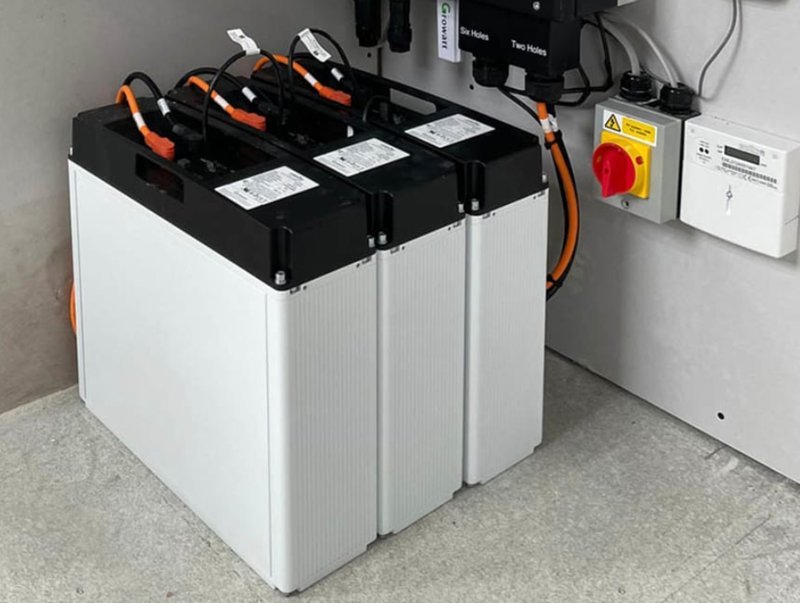
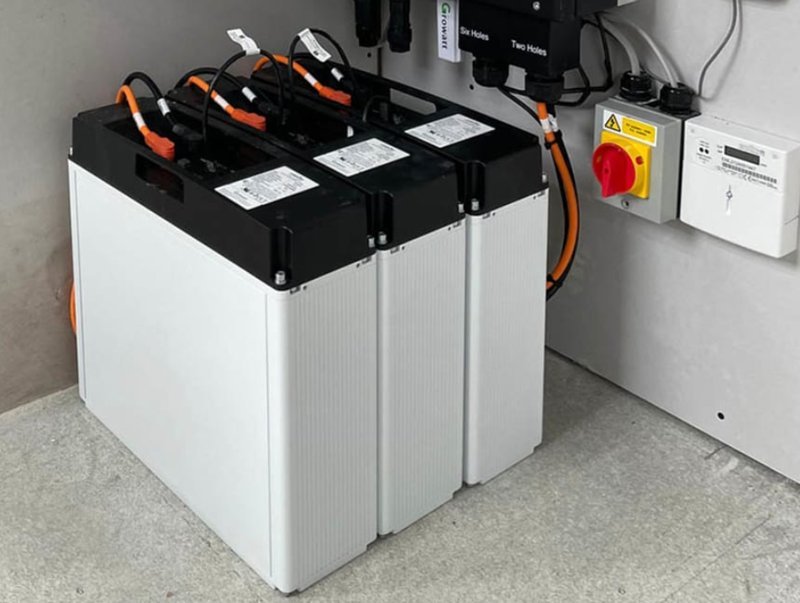
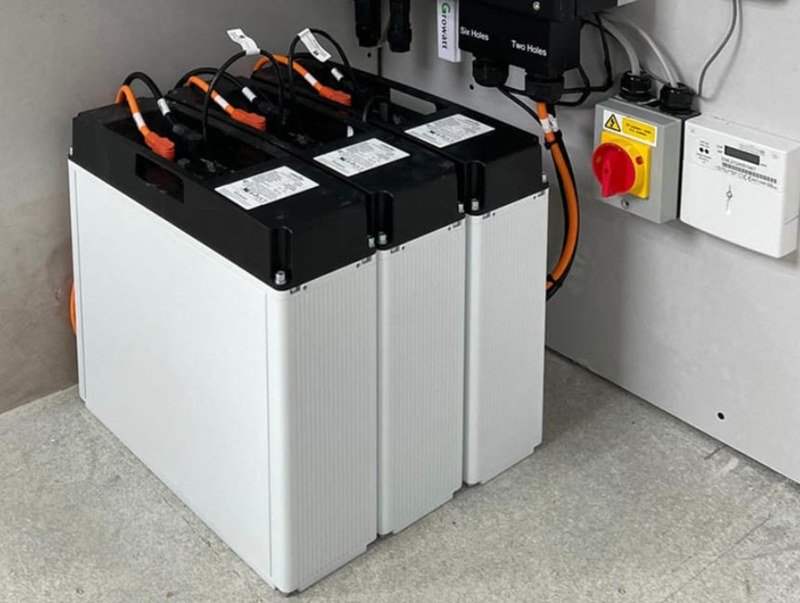
    Choosing the best lithium battery for off-grid solar is one of the most important decisions you’ll make for your homestead. Your battery bank determines how much energy you can store, how long your system lasts, and ultimately whether you can live comfortably off the grid. In 2025, LiFePO4 (lithium iron phosphate) batteries have become the gold standard—offering 10x the cycle life of lead-acid at prices that finally make sense for homesteaders.

    This guide ranks the top LiFePO4 batteries by capacity, cycle life, warranty, and real-world value. We also cover sizing basics so you buy the right amount of storage. Already have panels picked out? See our best solar panels for off-grid guide. Need the full picture? Start with our DIY off-grid solar system guide.

    Why LiFePO4 for Off-Grid Solar?
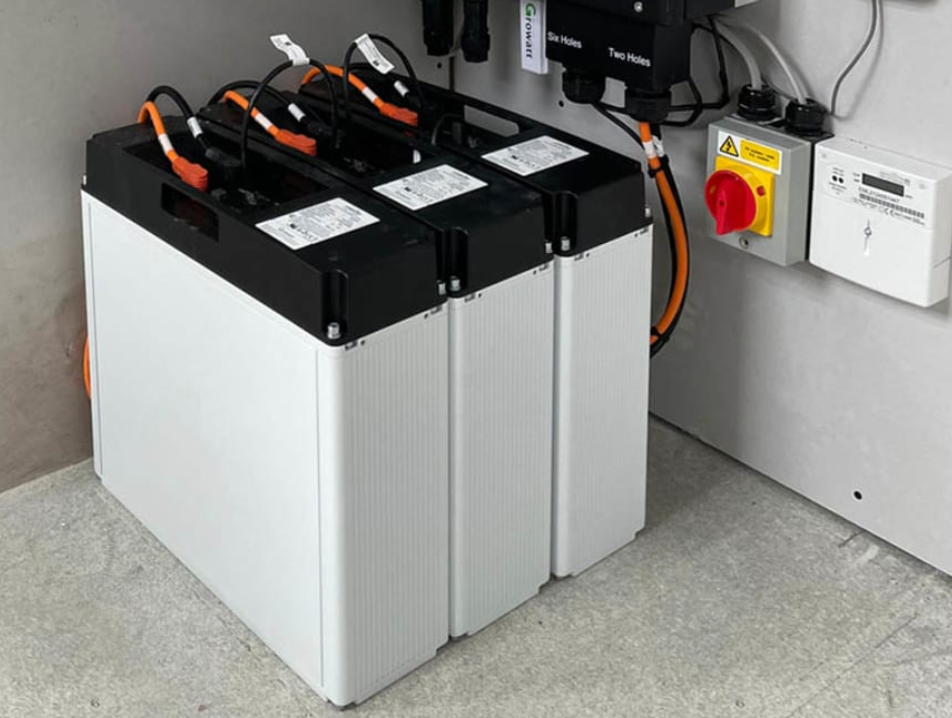
    off-grid solar battery bank installation
    off-grid solar battery bank installation

    Before diving into our picks, here’s why lithium iron phosphate (LiFePO4) batteries dominate off-grid solar in 2025:

    • 4,000–10,000+ cycle life – vs. 500–800 cycles for lead-acid. At one cycle per day, a LiFePO4 battery lasts 10–25+ years.
    • 95% usable capacity – Lead-acid should only be discharged to 50%. LiFePO4 safely uses 95–100% of rated capacity.
    • No maintenance – No watering, no equalization charges, no acid spills.
    • Lighter weight – 50–70% lighter than equivalent lead-acid, making installation easier.
    • Built-in BMS – Battery Management Systems protect against overcharge, over-discharge, short circuits, and temperature extremes.
    • Safe chemistry – LiFePO4 is thermally stable and doesn’t suffer thermal runaway like other lithium chemistries.

    The upfront cost is higher, but the cost per kWh over lifetime is 3–5x cheaper than lead-acid. For off-grid homesteads, LiFePO4 is the clear winner.

    Best Lithium Batteries for Off-Grid Solar – 2025 Rankings

    1. Battle Born 100Ah 12V LiFePO4 – Best Overall

    Battle Born is the most trusted name in off-grid lithium batteries, and for good reason. Their 100Ah 12V battery delivers 1,280Wh of usable energy with a 3,000–5,000 cycle lifespan. The built-in BMS handles overcharge, low-temperature cutoff, and cell balancing automatically.

    What sets Battle Born apart is their 10-year warranty and US-based customer support. They’re also the easiest to connect in parallel—up to four units for a 400Ah bank without compatibility issues. Drop-in replacement for Group 27 lead-acid batteries.

    Capacity: 100Ah (1,280Wh) | Voltage: 12V
    Cycles: 3,000–5,000 | Weight: 31 lbs
    Warranty: 10 years

    👉 Check Price: Battle Born 100Ah LiFePO4 on Amazon

    2. Renogy 200Ah 12V LiFePO4 – Best Value for Large Systems

    Renogy’s 200Ah battery packs double the capacity into a single unit, which means fewer connections and lower cost per kWh. The self-heating function activates automatically below 41°F (5°C), making it ideal for cold-climate homesteads where other lithium batteries refuse to charge.

    The integrated 200A BMS protects against all fault conditions, and you can parallel up to four units for a massive 800Ah bank. At roughly $0.40/Wh, it’s one of the best values in 2025.

    Capacity: 200Ah (2,560Wh) | Voltage: 12V
    Cycles: 4,000+ | Weight: 52 lbs
    Warranty: 5 years

    👉 Check Price: Renogy 200Ah Self-Heating LiFePO4 on Amazon

    3. SOK 206Ah 12V LiFePO4 – Best Budget Option

    SOK batteries have built a loyal following in the off-grid community for delivering premium specs at budget prices. The 206Ah model uses Grade A prismatic cells with a 200A continuous BMS. At under $500 for 200+ Ah, the cost per kWh is hard to beat.

    SOK batteries support Bluetooth monitoring via a smartphone app, letting you check state of charge, voltage, and temperature from inside your cabin. Parallel up to four batteries.

    Capacity: 206Ah (2,637Wh) | Voltage: 12V
    Cycles: 4,000+ | Weight: 46 lbs
    Warranty: 5 years (limited)

    👉 Check Price: SOK 206Ah LiFePO4 on Amazon

    4. EG4 LifePower4 48V 100Ah Server Rack Battery – Best for 48V Systems

    If you’re building a 48V off-grid system (which we recommend for larger homesteads), the EG4 LifePower4 is the go-to. This server-rack-style battery packs 5,120Wh into a single unit with a 100A BMS. It communicates via CAN bus with popular inverters like the EG4 18KPV and Sol-Ark, enabling intelligent charge management.

    The rack-mount form factor keeps your battery bank organized and professional. Stack up to 16 units in parallel for massive 80+ kWh systems.

    Capacity: 100Ah (5,120Wh) | Voltage: 48V
    Cycles: 7,000+ | Weight: 100 lbs
    Warranty: 10 years

    👉 Check Price: EG4 LifePower4 48V on Amazon

    5. Ampere Time 300Ah 12V LiFePO4 – Best High-Capacity Single Unit

    Ampere Time (LiTime) offers one of the highest single-unit capacities at 300Ah (3,840Wh). For small cabins or RV off-grid setups, a single 300Ah battery might be all you need. The built-in 200A BMS and low-temperature charging cutoff protect the cells in all conditions.

    At 300Ah, you get enough storage to run LED lights, a 12V fridge, phone charging, and a laptop through an entire night on a single charge.

    Capacity: 300Ah (3,840Wh) | Voltage: 12V
    Cycles: 4,000+ | Weight: 61 lbs
    Warranty: 5 years

    👉 Check Price: Ampere Time 300Ah LiFePO4 on Amazon

    How to Size Your Off-Grid Battery Bank

    off-grid solar system battery sizing guide
    off-grid solar system battery sizing guide

    Getting the right battery capacity is crucial. Here’s a quick sizing formula:

    1. Calculate daily energy use – Add up all appliance watt-hours per day. A typical off-grid cabin uses 3–8 kWh/day.
    2. Days of autonomy – Plan for 2–3 days without sun (cloudy weather buffer).
    3. Depth of discharge – LiFePO4 allows 95%, but plan for 80% to maximize lifespan.
    4. Formula: Battery bank (Wh) = Daily use × Days of autonomy ÷ Depth of discharge

    Example: 5 kWh/day × 2 days ÷ 0.80 = 12,500 Wh = 12.5 kWh battery bank

    That’s roughly five 200Ah 12V batteries (12,800 Wh) or three EG4 48V units (15,360 Wh). When in doubt, size up—you can always use extra capacity, but you can’t create it during a three-day storm.

    For complete system design, check our DIY off-grid solar system guide which covers panels, charge controllers, inverters, and wiring alongside battery selection.

    LiFePO4 vs Lead-Acid for Off-Grid Solar – Cost Comparison

    Metric LiFePO4 (200Ah) Lead-Acid AGM (200Ah)
    Usable capacity 190Ah (95%) 100Ah (50%)
    Cycle life 4,000+ 500–800
    Lifespan (daily cycling) 10–15 years 2–3 years
    Upfront cost ~$500 ~$350
    Lifetime cost (per kWh) ~$0.05 ~$0.25
    Weight ~50 lbs ~130 lbs
    Maintenance None Water, equalization

    Over 10 years, a lead-acid system costs 5x more because you’ll replace the batteries 3–5 times. LiFePO4 wins on every metric except initial purchase price.

    Installation Tips for LiFePO4 Off-Grid Batteries

    • Use properly sized cables – 2/0 AWG or 4/0 AWG for 12V systems over 200A. Undersized cables cause voltage drop and heat.
    • Install a DC disconnect – Safety requirement. Place between battery bank and inverter/charge controller.
    • Fuse each battery – Use a Class T or ANL fuse rated to the BMS maximum on each parallel string.
    • Ventilation – LiFePO4 doesn’t off-gas like lead-acid, but maintain airflow for BMS cooling.
    • Charge controller compatibility – Set your MPPT charge controller to LiFePO4 profile: 14.2–14.6V absorption, 13.6V float (for 12V systems).
    • Temperature monitoring – Install a battery temperature sensor on the BMS. Most LiFePO4 batteries won’t charge below 32°F (0°C) without self-heating.

    👉 Check Price: 4/0 AWG Battery Cable Kit on Amazon

    Battery Monitoring & Accessories

    Track your battery bank’s health with these essential accessories:

    👉 Check Price: Victron SmartShunt Battery Monitor on Amazon

    👉 Check Price: JNGE 200A Battery Disconnect Switch on Amazon

    LiFePO4 battery FAQ off-grid solar
    LiFePO4 battery FAQ off-grid solar

    Frequently Asked Questions

    What is the best lithium battery for off-grid solar in 2025?

    The Battle Born 100Ah LiFePO4 is the best overall choice for its 10-year warranty, proven reliability, and easy parallel connectivity. For budget builds, the SOK 206Ah offers more capacity per dollar. For 48V systems, the EG4 LifePower4 is the top pick.

    How long do LiFePO4 batteries last in off-grid solar?

    LiFePO4 batteries typically last 10–15+ years in daily cycling applications. Most are rated for 4,000–7,000 cycles at 80% depth of discharge. At one cycle per day, that’s 11–19 years of service before reaching 80% of original capacity.

    How many lithium batteries do I need for off-grid living?

    It depends on your daily energy consumption. A small cabin using 3 kWh/day needs roughly 6–8 kWh of battery storage (two 200Ah 12V batteries). A full-size off-grid home using 8–10 kWh/day needs 20–25 kWh (four to five 200Ah 12V batteries or equivalent 48V units). Always plan for 2–3 days of autonomy.

    Can I use LiFePO4 batteries in cold climates?

    LiFePO4 batteries can discharge in cold temperatures but most cannot charge below 32°F (0°C) without damage. Choose batteries with built-in self-heating (like the Renogy 200Ah) or install your battery bank in an insulated enclosure. Battery temperature sensors are essential for cold-climate installations.

    Is it better to build a 12V or 48V off-grid battery bank?

    For systems under 3 kW, 12V is simpler and cheaper. For systems 3 kW and above, 48V is recommended because it requires thinner cables, produces less heat, and is more efficient. Most modern off-grid inverters (like the EG4 18KPV or Sol-Ark 15K) are designed for 48V battery banks.

    Disclosure: This article contains Amazon affiliate links. We may earn a commission at no extra cost to you if you purchase through our links. All recommendations are based on thorough research and real-world off-grid experience.

  • Best Solar Generators for Homesteading in 2025 – Portable Power Picks

    Solar panels installed on a homestead rooftop providing off-grid power generation
    Rooftop solar panels are the backbone of any homestead power system

    Finding the best solar generator homesteading setup is essential for anyone pursuing off-grid independence. Whether you’re running a full homestead, preparing for emergencies, or simply want backup power, a quality solar generator combines portability with serious wattage. In this 2025 guide, we review the top portable solar power stations for homesteaders — from budget-friendly units to whole-cabin powerhouses.

    What Is a Solar Generator and Why Do Homesteaders Need One?

    A solar generator is a portable power station that charges via solar panels and stores energy in a built-in battery. Unlike gas generators, they’re silent, produce zero emissions, and require virtually no maintenance — perfect for the homestead lifestyle.

    Homesteaders use solar generators to power:

    • Refrigerators and freezers — preserve harvests and keep food safe
    • Well pumps and irrigation — keep water flowing to gardens and livestock
    • Power tools — run drills, saws, and welders off-grid
    • Lighting and communication — keep the homestead connected
    • Medical equipment — CPAP machines, nebulizers, and other essentials
    Productive homestead garden powered by solar generators and portable power stations
    Solar generators power everything from garden irrigation pumps to tool chargers

    Top 6 Solar Generators for Homesteading in 2025

    1. Jackery Explorer 1000 Plus — Best Overall for Homesteading

    The Jackery Explorer 1000 Plus delivers 1,264Wh capacity with 2,000W output — enough to run a mini-fridge, charge power tools, and keep lights on simultaneously. Its expandable battery system lets you daisy-chain additional packs for whole-cabin coverage. LiFePO4 cells provide 4,000+ charge cycles, meaning this unit will outlast a decade of homestead use.

    Key specs: 1,264Wh | 2,000W output | LiFePO4 | 8 outlets | 45 lbs

    👉 Check Price on Amazon

    2. EcoFlow DELTA 2 — Best for Heavy-Duty Homestead Use

    The EcoFlow DELTA 2 packs 1,024Wh with a massive 1,800W output (3,400W surge). X-Stream charging hits 80% in just 50 minutes from a wall outlet — critical for pre-storm prep. The companion app lets you monitor power usage remotely, and the expandable battery doubles capacity to 2,048Wh.

    Key specs: 1,024Wh | 1,800W output | LiFePO4 | 15 outlets | 27 lbs

    👉 Check Price on Amazon

    3. Bluetti AC200L — Best High-Capacity Powerhouse

    At 2,048Wh, the Bluetti AC200L is the big gun for serious homesteaders. It runs full-size appliances including washing machines, table saws, and AC units. Dual-charging (solar + AC simultaneously) gets you topped up fast, and the built-in MPPT controller maximizes solar panel efficiency.

    Key specs: 2,048Wh | 2,400W output | LiFePO4 | 16 outlets | 62 lbs

    👉 Check Price on Amazon

    Off-grid homestead community entrance representing solar-powered sustainable living
    Homestead communities increasingly rely on portable solar generators for shared power needs

    4. EcoFlow RIVER 2 — Best Budget Solar Generator

    The EcoFlow RIVER 2 is the perfect entry point at under $300. Its 256Wh capacity handles phone charging, LED lights, laptops, and small appliances. At just 7.7 lbs, it’s the most portable option — take it to the garden, workshop, or campsite. The X-Boost feature lets it power devices up to 600W.

    Key specs: 256Wh | 300W output (600W X-Boost) | LiFePO4 | 6 outlets | 7.7 lbs

    👉 Check Price on Amazon

    5. Jackery Solar Generator 300 Plus — Best Compact Kit

    This bundle includes the Explorer 300 Plus power station and a 100W solar panel — everything you need out of the box. The 288Wh battery handles daily essentials, and the included panel fully recharges it in about 4.5 hours of direct sun. Ideal for small homesteads or as a secondary backup unit.

    Key specs: 288Wh | 300W output | LiFePO4 | Panel included | 15.8 lbs

    👉 Check Price on Amazon

    6. Jackery Explorer 240 — Best Ultra-Budget Option

    At under $200, the Explorer 240 is a no-brainer for homesteaders on a tight budget. Its 240Wh lithium battery runs small electronics, LED strips, and fan systems. It won’t power heavy appliances, but it’s an excellent first step toward solar independence.

    Key specs: 240Wh | 200W output | Li-ion | 4 outlets | 6.6 lbs

    👉 Check Price on Amazon

    How to Choose the Right Solar Generator for Your Homestead

    Picking the right unit depends on your power needs and budget:

    • Calculate your daily watt-hours: List every device you’ll run and multiply watts × hours of use. A typical small homestead needs 1,000–2,000Wh/day.
    • Check surge requirements: Power tools and refrigerators have startup surges 2–3× their running watts. Your generator’s surge rating must exceed this.
    • Prioritize LiFePO4 batteries: They last 4,000+ cycles vs 500 for standard lithium-ion. Worth the premium for homestead reliability.
    • Match solar panel wattage: A 200W panel recharges ~1,000Wh in 5–6 hours of good sun. For 2,000Wh+ units, use 400W+ of panels.
    • Consider expandability: Jackery and EcoFlow both offer add-on battery packs that double or triple capacity without buying a new unit.
    Rural homestead landscape ideal for solar generator placement and off-grid energy independence
    Wide-open homestead properties offer ideal solar exposure for portable generators

    Solar Generator vs Gas Generator for Homesteading

    Gas generators are cheaper upfront but cost more long-term: fuel, oil changes, spark plugs, and noise complaints. Solar generators cost more initially but have zero fuel costs, near-zero maintenance, and silent operation. For homesteaders planning to stay put, solar pays for itself within 2–3 years and lasts a decade or more.

    Frequently Asked Questions

    Can a solar generator run an entire homestead?

    A single large unit (2,000Wh+) like the Bluetti AC200L can run most daily essentials. For whole-home coverage, homesteaders typically combine 2–3 expandable units or pair generators with a rooftop solar panel system and battery bank.

    How long do solar generators last on a homestead?

    LiFePO4 models last 4,000–6,000 charge cycles, which equals 10–15 years of daily use. Standard lithium-ion models last 500–1,000 cycles (2–3 years of heavy use). Always choose LiFePO4 for homestead applications.

    What size solar generator do I need for homesteading?

    For basic needs (lights, phones, small tools): 300–500Wh. For moderate use (mini-fridge, power tools, multiple devices): 1,000–1,500Wh. For heavy use (full appliances, well pumps, AC): 2,000Wh+ with expansion batteries.

    Can I charge a solar generator on cloudy days?

    Yes, but at reduced efficiency — typically 10–25% of rated solar input on overcast days. Size your solar panels 50% larger than minimum to account for weather variability. Panels with MPPT controllers (like those paired with Jackery and EcoFlow units) maximize output in partial shade.

    Are solar generators safe to use indoors?

    Absolutely. Unlike gas generators that produce carbon monoxide, solar generators have zero emissions and are completely safe for indoor use — bedrooms, workshops, basements, and RVs included.

  • How to Build a DIY Off-Grid Solar System – Complete Beginner’s Guide

    Bright sun energy source for DIY off-grid solar system guide 2025
    A DIY solar system harnesses the sun’s free energy to power your entire homestead

    Building a DIY off-grid solar system is one of the most empowering projects a homesteader can undertake — and in 2025, it’s more affordable and accessible than ever before. Modern LiFePO4 batteries, efficient monocrystalline panels, and MPPT charge controllers have brought professional-grade off-grid power within reach of anyone willing to learn. This complete beginner’s guide walks you through every step of designing and building your own DIY off-grid solar system: how to calculate your energy needs, which components to buy, how to wire them safely, and the best products that deliver reliable power for decades.

    DIY Off-Grid Solar System – What You’ll Need

    DIY off-grid solar battery bank with lithium cells wiring and BMS
    Size your battery bank to store 2–3 days of usage for resilience during low-sun periods

    A complete off-grid solar system has five key components:

    • Solar Panels — Generate DC electricity from sunlight
    • Charge Controller — Regulates voltage/current from panels to batteries (MPPT type recommended)
    • Battery Bank — Stores energy for use when sun isn’t shining (LiFePO4 recommended)
    • Inverter — Converts DC battery power to 120V AC for standard appliances
    • Wiring, Fuses & Disconnects — Safety components connecting the system

    Step 1 – Calculate Your Energy Needs

    Off-grid homestead property representing solar-powered independent living
    A properly designed DIY solar system delivers decades of maintenance-free off-grid independence

    List every appliance and its daily usage. Multiply watts × hours per day for each. Add them up for total daily Wh. Example for a small cabin:

    • Refrigerator (80W × 24h × 0.33 duty cycle) = 634 Wh
    • LED lighting (30W × 5h) = 150 Wh
    • Laptop (65W × 4h) = 260 Wh
    • Phone charging (15W × 2h) = 30 Wh
    • Water pump (200W × 0.5h) = 100 Wh
    • Total: ~1,174 Wh/day

    Multiply by 1.25 for system losses: ~1,468 Wh needed from panels daily.

    Step 2 – Size Your Solar Panel Array

    Divide daily Wh needed by your location’s average peak sun hours (4–6 hours for most of the US). For 1,468 Wh at 5 peak hours: 294W of panels minimum. Add 20–30% buffer for cloudy days: 400W recommended for this cabin.

    Renogy 400W Monocrystalline Solar Panel Kit — Complete kit with panels, mounting hardware, and connectors. 21% efficiency, 25-year warranty. The best starting point for a small cabin off-grid system.

    👉 Check Price on Amazon

    Step 3 – Choose Your Battery Bank

    For 2 days of autonomy (recommended): 1,468 Wh × 2 days = 2,936 Wh storage needed. With LiFePO4 at 100% usable DoD, two 100Ah/12V batteries (2,400 Wh) is close; two 200Ah units is ideal.

    Renogy 200Ah 12V LiFePO4 Battery — 4,000+ charge cycles (10+ year lifespan), built-in BMS, 100% depth of discharge. Two of these gives you 4,800 Wh — ideal for the cabin example above.

    👉 Check Price on Amazon

    Step 4 – Select MPPT Charge Controller & Inverter

    Renogy Rover 40A MPPT Charge Controller — Handles 400–800W input at 12V. Extracts 10–30% more power than PWM controllers. Bluetooth monitoring module included.

    👉 Check Price on Amazon

    EcoFlow DELTA Pro 3,600Wh Power Station — For those who want an all-in-one solution, the DELTA Pro integrates charge controller, battery, and inverter in one unit. Expandable to 25kWh, solar input up to 1,600W.

    👉 Check Price on Amazon

    Productive homestead garden representing off-grid sustainable living powered by DIY solar
    A DIY solar system powers the full homestead lifestyle — garden pumps, lighting, and tools

    DIY Off-Grid Solar System – FAQ

    How much does a DIY off-grid solar system cost?

    A basic cabin system (400W panels + 400Ah LiFePO4 batteries + MPPT controller + 2,000W inverter) costs $2,000–$4,000 in components. A full homestead system (2,000W panels + 20kWh battery bank + 5,000W inverter) runs $8,000–$15,000. DIY installation saves 40–60% vs professional installation.

    Is it safe to build your own off-grid solar system?

    Yes, with proper planning and safety precautions. Always use correctly rated fuses and disconnects, work with DC wiring carefully, and follow the National Electrical Code (NEC) guidelines. For AC wiring and inverter connections to your home panel, consult a licensed electrician. The DC solar/battery side is well within DIY capability for most homeowners.

    What’s the best battery for a DIY off-grid system?

    LiFePO4 (lithium iron phosphate) batteries are the clear choice in 2025. They offer 4,000+ charge cycles vs 300–500 for lead-acid, 100% usable depth of discharge vs 50%, and built-in BMS protection. The higher upfront cost is offset by significantly longer lifespan — LiFePO4 batteries typically last 10–15 years vs 3–5 years for lead-acid.

    Final Verdict

    Building a DIY off-grid solar system is one of the highest-ROI projects a homesteader can undertake. Proper sizing, quality LiFePO4 batteries, and an MPPT charge controller deliver reliable off-grid power for decades. For more solar sizing guides, component reviews, and homestead power tutorials, visit SolarHomesteadPro.com.

  • Best Solar Panels for Off-Grid Living in 2025 – Top Home Systems Ranked

    Bright golden sun representing solar energy — best solar panels off grid 2025
    Abundant sunshine makes off-grid solar a reliable and cost-effective power solution

    Choosing the best solar panels for off-grid living is one of the most important decisions you’ll make as a homesteader or off-grid enthusiast. The right solar panel system means reliable power for years — lighting, refrigeration, water pumping, and charging — without utility bills or grid dependency. The wrong choice means undersized output, poor durability in weather, and expensive replacements. This guide covers the best solar panels for off-grid living in 2025: what to look for, how to size your system, and which panels and supporting gear deliver the best long-term value for homesteaders, cabin owners, and remote property dwellers.

    What Makes the Best Solar Panel for Off-Grid Living?

    Home battery storage system for off-grid solar backup power
    A battery bank is essential for off-grid solar — storing excess daytime power for nights and cloudy days

    Not all solar panels are equal — and off-grid use has different priorities than grid-tied systems. Here’s what matters most:

    • Efficiency: Higher efficiency (20–23%) means more power per square foot of panel. Critical when roof or ground space is limited.
    • Durability: Off-grid panels face harsh conditions — snow loads, hail, wind, and temperature extremes. Look for IP68 ratings and tempered glass.
    • Output Wattage: Panels range from 100W (portable) to 400W+ (residential). Most off-grid homesteads need 1,000–5,000W of total panel capacity.
    • Temperature Coefficient: Panels lose efficiency in high heat. A lower temperature coefficient (e.g. -0.29%/°C) means better performance in summer.
    • Warranty: Best panels carry 25-year power output warranties and 10–12 year product warranties. Avoid anything less.
    • Type: Monocrystalline panels are the gold standard for off-grid — higher efficiency and better low-light performance than polycrystalline.

    Best Solar Panels for Off-Grid Living in 2025 – Top Systems Ranked

    Productive homestead garden representing off-grid sustainable living powered by solar
    Solar power enables the full off-grid homestead lifestyle — from electric fences to water pumps

    1. Renogy 400W Monocrystalline Solar Panel – Best Overall Off-Grid Panel

    Renogy is the most trusted name in off-grid solar, and their 400W monocrystalline panel is the flagship product that earns that reputation. At 21.2% efficiency with a -0.35%/°C temperature coefficient, it delivers consistent output even on partly cloudy days. The reinforced tempered glass handles snow loads up to 5,400 Pa and wind resistance up to 2,400 Pa. The 25-year power output warranty gives genuine long-term confidence.

    For most off-grid homesteads, 4–8 of these panels (1,600–3,200W) paired with a proper battery bank covers basic to moderate daily energy needs. Renogy’s ecosystem of compatible charge controllers, inverters, and monitoring gear makes them the natural choice for a cohesive system.

    ✅ Pros:

    • 21.2% efficiency — best-in-class for the price
    • Exceptional weather resistance (IP68 rated junction box)
    • 25-year power warranty, 10-year product warranty
    • Pre-drilled holes for easy mounting
    • Compatible with all MPPT charge controllers

    ❌ Cons:

    • Large panel size requires sturdy mounting structure
    • Premium price per panel vs budget polycrystalline options

    👉 Check Price on Amazon

    2. EcoFlow 400W Rigid Solar Panel – Best Premium Off-Grid Panel

    EcoFlow’s 400W rigid panel pushes efficiency to 23% using high-purity monocrystalline silicon — among the highest available in residential-scale panels. At that efficiency level, you generate significantly more power per square foot than standard panels, which matters enormously when space is limited (cabin roof, RV, small ground array). The panel integrates seamlessly with EcoFlow’s DELTA Pro power station ecosystem, making it the top choice for EcoFlow users building a modular off-grid system.

    ✅ Pros:

    • 23% efficiency — top-tier power density
    • Outstanding build quality and weather resistance
    • Seamless EcoFlow ecosystem integration
    • 5-year product warranty, 25-year performance warranty

    ❌ Cons:

    • Premium price point
    • Best value when used with EcoFlow power stations

    👉 Check Price on Amazon

    3. Jackery SolarSaga 200W – Best Portable Off-Grid Solar Panel

    For homesteaders, campers, or off-grid users who need portable power, the Jackery SolarSaga 200W is the gold standard. Foldable, lightweight, and capable of 200W output, it pairs perfectly with Jackery Explorer power stations for a complete portable solar system. The 24.3% cell efficiency is exceptional for a portable panel, and the IP67 dust and water resistance means it handles outdoor conditions reliably.

    ✅ Pros:

    • Foldable and portable — set up anywhere in minutes
    • 24.3% cell efficiency — impressive for portable format
    • IP67 weather resistance
    • Perfect companion to Jackery Explorer power stations

    ❌ Cons:

    • Higher cost per watt than fixed panels
    • 200W max — need multiple units for homestead-scale needs

    👉 Check Price on Amazon

    Essential Off-Grid Solar System Components

    Solar panels are only one piece of a complete off-grid system. Here are the critical supporting components:

    Best MPPT Charge Controller for Off-Grid Solar

    Renogy Rover 40A MPPT Solar Charge Controller — MPPT controllers extract 10–30% more power from your panels than older PWM technology by continuously optimizing the electrical load. The Renogy Rover 40A handles up to 1,000W of solar input (12V) or 2,000W (24V), supports lithium and AGM battery profiles, and includes a Bluetooth monitoring module. It’s the most reliable mid-range MPPT controller for homestead systems.

    👉 Check Price on Amazon

    Best Solar Generator for Off-Grid Homesteading

    EcoFlow DELTA Pro Portable Power Station (3,600Wh) — The EcoFlow DELTA Pro is the most capable solar generator available for serious off-grid use. Its 3,600Wh base capacity expands to 25kWh with extra batteries, the 3,600W AC output runs almost any appliance, and it charges from 0–80% in just 1.8 hours via solar + AC combined. For homesteaders who want a modular, expandable system without a permanent installation, this is the ultimate solution.

    👉 Check Price on Amazon

    Best LiFePO4 Battery for Off-Grid Solar Storage

    Renogy 200Ah 12V LiFePO4 Lithium Battery — LiFePO4 (lithium iron phosphate) batteries are the modern standard for off-grid solar storage, offering 4,000+ charge cycles (10+ years), 100% usable depth of discharge (vs. 50% for lead-acid), and built-in BMS protection. Renogy’s 200Ah unit delivers 2,400Wh of usable storage and works with any 12V charge controller. For serious off-grid storage, 2–4 of these units gives you 4,800–9,600Wh — enough for a full day of off-grid living.

    👉 Check Price on Amazon

    How to Size Your Off-Grid Solar System

    Sizing is where most beginners go wrong. Here’s a simplified framework:

    1. Calculate daily energy use (Wh): List every appliance you’ll run. Multiply watts × hours per day. Example: Refrigerator (100W × 24h = 2,400Wh) + Lighting (50W × 5h = 250Wh) + Phone/laptop charging (60W × 3h = 180Wh) = 2,830Wh/day.
    2. Account for inefficiency: Multiply by 1.25 to account for system losses (wiring, inverter, charge controller). 2,830 × 1.25 = 3,537Wh needed from panels daily.
    3. Divide by peak sun hours: Most US locations get 4–6 peak sun hours. At 5 hours: 3,537 ÷ 5 = 707W of panel capacity needed minimum. Round up — 800–1,000W gives headroom for cloudy days.
    4. Size your battery bank: Store 1.5–2 days of energy for cloudy day backup. 3,537Wh × 2 days = 7,074Wh. With LiFePO4 at 100% DoD: four 200Ah/12V batteries (9,600Wh) is ideal.
    Homestead community entrance sign representing off-grid solar-powered living
    Off-grid homesteads rely on solar panels to achieve true energy independence

    Best Solar Panels for Off-Grid Living – FAQ

    What size solar panel system do I need for off-grid living?

    Most off-grid homesteads need between 1,000W and 5,000W of solar panel capacity depending on energy consumption. A basic cabin (lights, refrigerator, phone charging, small appliances) typically needs 1,500–2,000W of panels with a 10–20kWh battery bank. A full homestead with well pump, washing machine, and power tools needs 3,000–5,000W+ of capacity.

    Are monocrystalline solar panels worth the extra cost for off-grid?

    Yes — for off-grid living, monocrystalline panels are almost always worth the premium. Their higher efficiency (20–23% vs 15–17% for polycrystalline) means you get more power from the same roof or ground space, they perform better in low-light and cloudy conditions, and they last longer. The additional upfront cost pays back quickly in better performance over a 25-year panel lifespan.

    How many solar panels do I need to power a cabin off-grid?

    A typical small off-grid cabin (400–800 sq ft) with basic appliances needs 4–8 panels of 300–400W each (1,200–3,200W total). Pair this with a 5,000–10,000Wh LiFePO4 battery bank and a quality MPPT charge controller. Use a solar sizing calculator with your specific appliance list for the most accurate estimate.

    What’s the difference between off-grid and grid-tied solar systems?

    Off-grid solar systems are completely independent of the utility grid — they require battery storage to provide power when the sun isn’t shining. Grid-tied systems feed excess power back to the grid and draw from it at night, requiring no batteries. For true energy independence and remote properties without grid access, off-grid is the only option. For properties with grid access, a hybrid system (grid-tied with battery backup) offers the best of both worlds.

    How long do off-grid solar panels last?

    Quality monocrystalline solar panels from reputable manufacturers like Renogy, EcoFlow, and SunPower carry 25-year power output warranties, guaranteeing at least 80% of rated power at 25 years. Real-world lifespans are often 30–35 years with minimal maintenance. The panels themselves usually outlast the inverter and batteries, which typically need replacement at 10–15 years.

    Final Verdict – Best Solar Panels for Off-Grid Living in 2025

    The best solar panels for off-grid living in 2025 deliver high efficiency, proven durability, and long warranties that protect your investment for decades. Our top picks:

    1. 🥇 Renogy 400W Monocrystalline — Best overall value for fixed off-grid installations
    2. 🥈 EcoFlow 400W Rigid Panel — Best premium efficiency for space-constrained setups
    3. 🥉 Jackery SolarSaga 200W — Best portable option for flexible off-grid power

    Build your system around quality components, size generously for cloudy days, and invest in LiFePO4 storage for the best long-term off-grid experience. For more guides on off-grid solar systems, battery banks, inverters, and homestead power setups, explore SolarHomesteadPro.com.