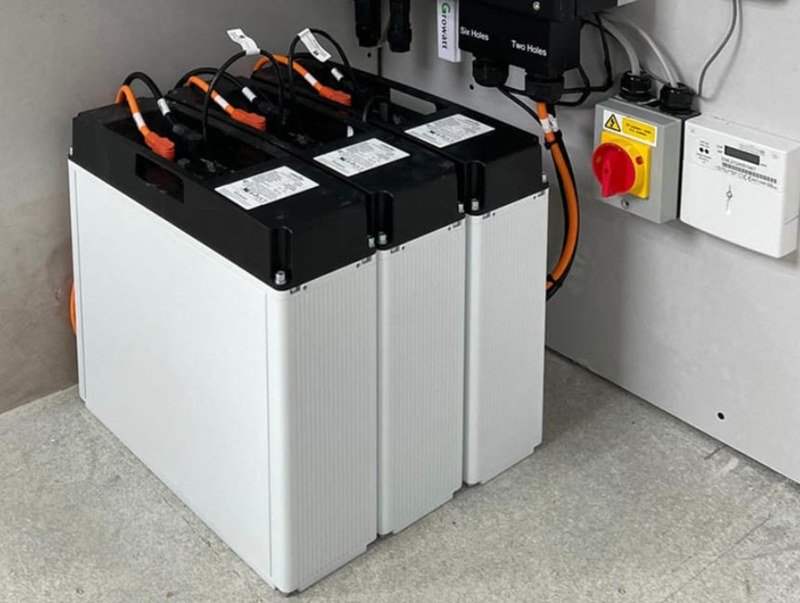
Finding the best solar generator homesteading setup is essential for anyone pursuing off-grid independence. Whether you’re running a full homestead, preparing for emergencies, or simply want backup power, a quality solar generator combines portability with serious wattage. In this 2025 guide, we review the top portable solar power stations for homesteaders — from budget-friendly units to whole-cabin powerhouses.
What Is a Solar Generator and Why Do Homesteaders Need One?
A solar generator is a portable power station that charges via solar panels and stores energy in a built-in battery. Unlike gas generators, they’re silent, produce zero emissions, and require virtually no maintenance — perfect for the homestead lifestyle.
Homesteaders use solar generators to power:
- Refrigerators and freezers — preserve harvests and keep food safe
- Well pumps and irrigation — keep water flowing to gardens and livestock
- Power tools — run drills, saws, and welders off-grid
- Lighting and communication — keep the homestead connected
- Medical equipment — CPAP machines, nebulizers, and other essentials
Top 6 Solar Generators for Homesteading in 2025
1. Jackery Explorer 1000 Plus — Best Overall for Homesteading
The Jackery Explorer 1000 Plus delivers 1,264Wh capacity with 2,000W output — enough to run a mini-fridge, charge power tools, and keep lights on simultaneously. Its expandable battery system lets you daisy-chain additional packs for whole-cabin coverage. LiFePO4 cells provide 4,000+ charge cycles, meaning this unit will outlast a decade of homestead use.
Key specs: 1,264Wh | 2,000W output | LiFePO4 | 8 outlets | 45 lbs
2. EcoFlow DELTA 2 — Best for Heavy-Duty Homestead Use
The EcoFlow DELTA 2 packs 1,024Wh with a massive 1,800W output (3,400W surge). X-Stream charging hits 80% in just 50 minutes from a wall outlet — critical for pre-storm prep. The companion app lets you monitor power usage remotely, and the expandable battery doubles capacity to 2,048Wh.
Key specs: 1,024Wh | 1,800W output | LiFePO4 | 15 outlets | 27 lbs
3. Bluetti AC200L — Best High-Capacity Powerhouse
At 2,048Wh, the Bluetti AC200L is the big gun for serious homesteaders. It runs full-size appliances including washing machines, table saws, and AC units. Dual-charging (solar + AC simultaneously) gets you topped up fast, and the built-in MPPT controller maximizes solar panel efficiency.
Key specs: 2,048Wh | 2,400W output | LiFePO4 | 16 outlets | 62 lbs

4. EcoFlow RIVER 2 — Best Budget Solar Generator
The EcoFlow RIVER 2 is the perfect entry point at under $300. Its 256Wh capacity handles phone charging, LED lights, laptops, and small appliances. At just 7.7 lbs, it’s the most portable option — take it to the garden, workshop, or campsite. The X-Boost feature lets it power devices up to 600W.
Key specs: 256Wh | 300W output (600W X-Boost) | LiFePO4 | 6 outlets | 7.7 lbs
5. Jackery Solar Generator 300 Plus — Best Compact Kit
This bundle includes the Explorer 300 Plus power station and a 100W solar panel — everything you need out of the box. The 288Wh battery handles daily essentials, and the included panel fully recharges it in about 4.5 hours of direct sun. Ideal for small homesteads or as a secondary backup unit.
Key specs: 288Wh | 300W output | LiFePO4 | Panel included | 15.8 lbs
6. Jackery Explorer 240 — Best Ultra-Budget Option
At under $200, the Explorer 240 is a no-brainer for homesteaders on a tight budget. Its 240Wh lithium battery runs small electronics, LED strips, and fan systems. It won’t power heavy appliances, but it’s an excellent first step toward solar independence.
Key specs: 240Wh | 200W output | Li-ion | 4 outlets | 6.6 lbs
How to Choose the Right Solar Generator for Your Homestead
Picking the right unit depends on your power needs and budget:
- Calculate your daily watt-hours: List every device you’ll run and multiply watts × hours of use. A typical small homestead needs 1,000–2,000Wh/day.
- Check surge requirements: Power tools and refrigerators have startup surges 2–3× their running watts. Your generator’s surge rating must exceed this.
- Prioritize LiFePO4 batteries: They last 4,000+ cycles vs 500 for standard lithium-ion. Worth the premium for homestead reliability.
- Match solar panel wattage: A 200W panel recharges ~1,000Wh in 5–6 hours of good sun. For 2,000Wh+ units, use 400W+ of panels.
- Consider expandability: Jackery and EcoFlow both offer add-on battery packs that double or triple capacity without buying a new unit.

Solar Generator vs Gas Generator for Homesteading
Gas generators are cheaper upfront but cost more long-term: fuel, oil changes, spark plugs, and noise complaints. Solar generators cost more initially but have zero fuel costs, near-zero maintenance, and silent operation. For homesteaders planning to stay put, solar pays for itself within 2–3 years and lasts a decade or more.
Frequently Asked Questions
Can a solar generator run an entire homestead?
A single large unit (2,000Wh+) like the Bluetti AC200L can run most daily essentials. For whole-home coverage, homesteaders typically combine 2–3 expandable units or pair generators with a rooftop solar panel system and battery bank.
How long do solar generators last on a homestead?
LiFePO4 models last 4,000–6,000 charge cycles, which equals 10–15 years of daily use. Standard lithium-ion models last 500–1,000 cycles (2–3 years of heavy use). Always choose LiFePO4 for homestead applications.
What size solar generator do I need for homesteading?
For basic needs (lights, phones, small tools): 300–500Wh. For moderate use (mini-fridge, power tools, multiple devices): 1,000–1,500Wh. For heavy use (full appliances, well pumps, AC): 2,000Wh+ with expansion batteries.
Can I charge a solar generator on cloudy days?
Yes, but at reduced efficiency — typically 10–25% of rated solar input on overcast days. Size your solar panels 50% larger than minimum to account for weather variability. Panels with MPPT controllers (like those paired with Jackery and EcoFlow units) maximize output in partial shade.
Are solar generators safe to use indoors?
Absolutely. Unlike gas generators that produce carbon monoxide, solar generators have zero emissions and are completely safe for indoor use — bedrooms, workshops, basements, and RVs included.