
Building a DIY off-grid solar system is one of the most empowering projects a homesteader can undertake — and in 2025, it’s more affordable and accessible than ever before. Modern LiFePO4 batteries, efficient monocrystalline panels, and MPPT charge controllers have brought professional-grade off-grid power within reach of anyone willing to learn. This complete beginner’s guide walks you through every step of designing and building your own DIY off-grid solar system: how to calculate your energy needs, which components to buy, how to wire them safely, and the best products that deliver reliable power for decades.
DIY Off-Grid Solar System – What You’ll Need
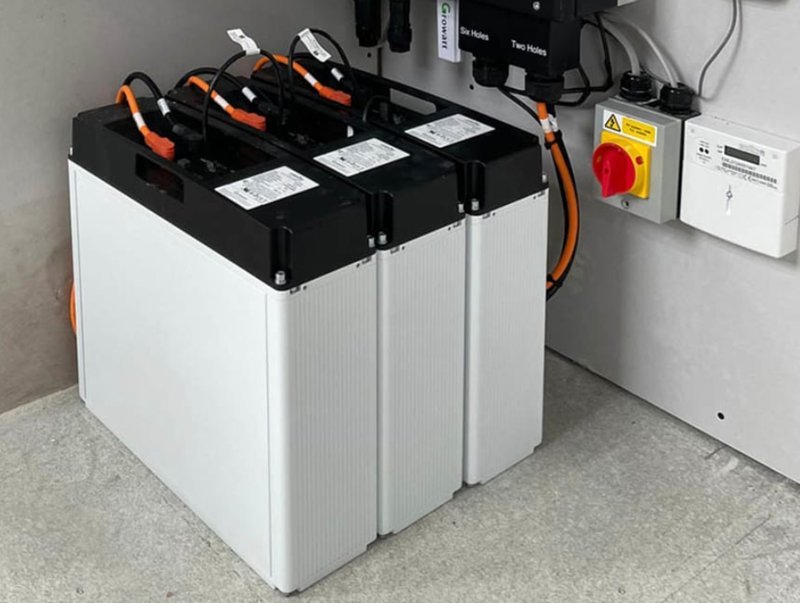
A complete off-grid solar system has five key components:
- Solar Panels — Generate DC electricity from sunlight
- Charge Controller — Regulates voltage/current from panels to batteries (MPPT type recommended)
- Battery Bank — Stores energy for use when sun isn’t shining (LiFePO4 recommended)
- Inverter — Converts DC battery power to 120V AC for standard appliances
- Wiring, Fuses & Disconnects — Safety components connecting the system
Step 1 – Calculate Your Energy Needs

List every appliance and its daily usage. Multiply watts × hours per day for each. Add them up for total daily Wh. Example for a small cabin:
- Refrigerator (80W × 24h × 0.33 duty cycle) = 634 Wh
- LED lighting (30W × 5h) = 150 Wh
- Laptop (65W × 4h) = 260 Wh
- Phone charging (15W × 2h) = 30 Wh
- Water pump (200W × 0.5h) = 100 Wh
- Total: ~1,174 Wh/day
Multiply by 1.25 for system losses: ~1,468 Wh needed from panels daily.
Step 2 – Size Your Solar Panel Array
Divide daily Wh needed by your location’s average peak sun hours (4–6 hours for most of the US). For 1,468 Wh at 5 peak hours: 294W of panels minimum. Add 20–30% buffer for cloudy days: 400W recommended for this cabin.
Renogy 400W Monocrystalline Solar Panel Kit — Complete kit with panels, mounting hardware, and connectors. 21% efficiency, 25-year warranty. The best starting point for a small cabin off-grid system.
Step 3 – Choose Your Battery Bank
For 2 days of autonomy (recommended): 1,468 Wh × 2 days = 2,936 Wh storage needed. With LiFePO4 at 100% usable DoD, two 100Ah/12V batteries (2,400 Wh) is close; two 200Ah units is ideal.
Renogy 200Ah 12V LiFePO4 Battery — 4,000+ charge cycles (10+ year lifespan), built-in BMS, 100% depth of discharge. Two of these gives you 4,800 Wh — ideal for the cabin example above.
Step 4 – Select MPPT Charge Controller & Inverter
Renogy Rover 40A MPPT Charge Controller — Handles 400–800W input at 12V. Extracts 10–30% more power than PWM controllers. Bluetooth monitoring module included.
EcoFlow DELTA Pro 3,600Wh Power Station — For those who want an all-in-one solution, the DELTA Pro integrates charge controller, battery, and inverter in one unit. Expandable to 25kWh, solar input up to 1,600W.

DIY Off-Grid Solar System – FAQ
How much does a DIY off-grid solar system cost?
A basic cabin system (400W panels + 400Ah LiFePO4 batteries + MPPT controller + 2,000W inverter) costs $2,000–$4,000 in components. A full homestead system (2,000W panels + 20kWh battery bank + 5,000W inverter) runs $8,000–$15,000. DIY installation saves 40–60% vs professional installation.
Is it safe to build your own off-grid solar system?
Yes, with proper planning and safety precautions. Always use correctly rated fuses and disconnects, work with DC wiring carefully, and follow the National Electrical Code (NEC) guidelines. For AC wiring and inverter connections to your home panel, consult a licensed electrician. The DC solar/battery side is well within DIY capability for most homeowners.
What’s the best battery for a DIY off-grid system?
LiFePO4 (lithium iron phosphate) batteries are the clear choice in 2025. They offer 4,000+ charge cycles vs 300–500 for lead-acid, 100% usable depth of discharge vs 50%, and built-in BMS protection. The higher upfront cost is offset by significantly longer lifespan — LiFePO4 batteries typically last 10–15 years vs 3–5 years for lead-acid.
Final Verdict
Building a DIY off-grid solar system is one of the highest-ROI projects a homesteader can undertake. Proper sizing, quality LiFePO4 batteries, and an MPPT charge controller deliver reliable off-grid power for decades. For more solar sizing guides, component reviews, and homestead power tutorials, visit SolarHomesteadPro.com.
Comments
4 responses to “How to Build a DIY Off-Grid Solar System – Complete Beginner’s Guide”
[…] This guide ranks the top LiFePO4 batteries by capacity, cycle life, warranty, and real-world value. We also cover sizing basics so you buy the right amount of storage. Already have panels picked out? See our best solar panels for off-grid guide. Need the full picture? Start with our DIY off-grid solar system guide. […]
[…] you’re starting from scratch, our DIY off-grid solar system guide covers the fundamentals. For sizing calculations specific to your energy needs, check our solar […]
[…] For the complete installation walkthrough, see our DIY off-grid solar system guide. […]
[…] hybrid systems, read our DIY solar system guide to understand total system […]